
When entrepreneurs think about protecting their brand’s intellectual property, trademarks usually come to mind first. But there’s another, equally important tool that often gets overlooked: industrial designs.
That’s a missed opportunity. If your product’s value lies not just in its name but in its distinctive appearance, an industrial design registration can become the key tool for protecting it legally.
WHAT IS AN INDUSTRIAL DESIGN, AND WHAT MAKES IT ELIGIBLE FOR PROTECTION?
Under Article 5(2) of the Law of Ukraine “On the Protection of Rights to Industrial Designs,” an industrial design is the appearance of a product or part of a product, as determined, in particular, by lines, contours, color, shape, texture and/or materials, and/or its ornamentation. Common examples include the shape of a bottle, a dress design, jewelry, product packaging, or even a graphic user interface.
Industrial designs are registered across a wide range of industries — from cake decorating to drone manufacturing. The “Kherson” and “Khmelnytskyi” cakes, for instance, have become visual symbols of their respective cities, making it especially important to protect the authenticity of their decoration.
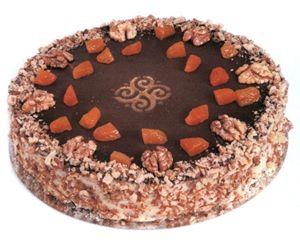
Kherson cake (No. 40974)
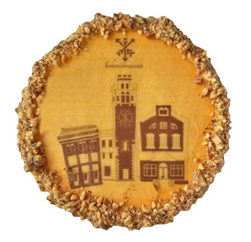
Khmelnytskyi cake (No. 48668)
And these are far from isolated examples. Legal protection also extends to confectionery designs and packaging that consumers readily recognize — such as the registered design of Bonjour candies or the packaging of “Ptasie Mleczko” (Bird’s Milk), where the product’s visual appearance itself is what’s protected.

Candy (No. 12179)
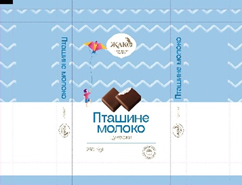
Candy packaging (No. 44028)
For hospitality and restaurant business owners, protecting interior design can be just as relevant.

Restaurant interior (No. 46825)
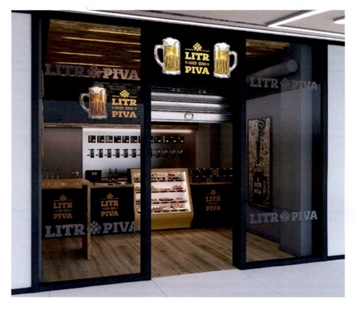
Interior of the specialty store “Litr Pyva” (No. 41811)
In the IT sector, it’s worth protecting the design of a website or app interface.
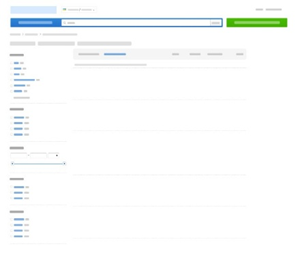
“AUTOLINE” website interface (No. 38991)
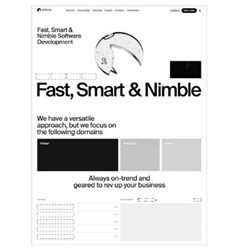
“KITRUM” homepage graphic interface (No. 48216)
Fashion, footwear, and accessories form their own distinct category.
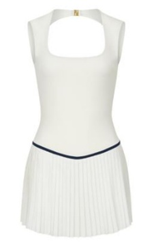
Women’s clothing (No. 48274)
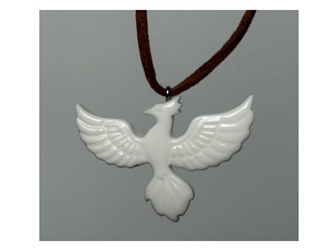
Jewelry piece (No. 48444)
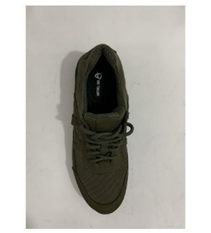
Sneakers (No. 47043)
Think about how often you recognize a product before you even read its name. An unusual bottle shape, distinctive medication packaging, or even a pill’s shape can become associated with a specific manufacturer. That’s precisely why such elements are frequently registered as industrial designs — to protect them from being copied.
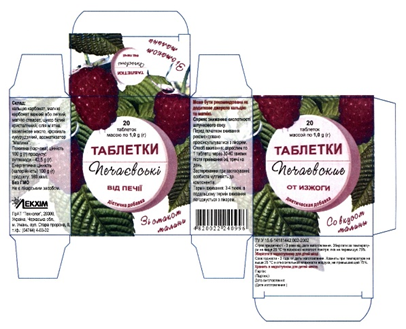
Dietary supplement packaging (No. 44114)
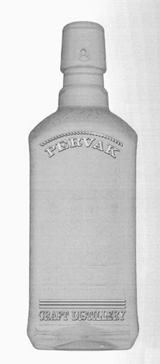
Bottle (No. 42161)
To qualify for protection, a design must be both new and possess individual character. If an identical or nearly identical design has already been published, sold, exhibited, or otherwise made available to the public, it’s no longer considered new. For example, imagine a company develops an original vase shape but discloses and starts selling it more than 12 months before filing an application — that disclosure could prevent the design from meeting the novelty requirement.
A design has individual character if it produces a different overall impression on an informed user than any other design already disclosed to the public. This means the assessment looks at the overall visual impression, not isolated details. For instance, if one dress has a round collar and long sleeves while another differs only in its buttons, and an informed user perceives both as essentially the same, the second dress may lack individual character.
By contrast, meaningful differences in silhouette, proportions, cut, sleeve shape, or other elements that affect the overall visual impression can support a finding of individual character.
IS REGISTRATION REQUIRED TO PROTECT AN INDUSTRIAL DESIGN?
An industrial design may be protected as a registered design, once entered in Ukraine’s State Register of Industrial Designs, or under an international treaty to which Ukraine is a party. Protection may also arise for an unregistered design, provided that it has been made available to the public. The protection terms differ significantly: a registered design cannot be protected for more than 25 years from the filing date, while an unregistered design is protected for no more than 3 years.
Ukrainian social media has recently seen active discussion around alleged design copying between two Ukrainian fashion brands, Cher17 and GOLDI. These public debates remind us that, for fashion brands, design is one of the most valuable assets a company has. If a product’s appearance drives its recognizability and sets it apart from competitors, it’s worth securing legal protection early.
WHY REGISTER AN INDUSTRIAL DESIGN?
Registering an industrial design isn’t a mere formality — it’s a real enforcement tool against copying, as Ukrainian court practice confirms.
In case No. 13/192-08, “Ventyliatsiini Systemy” CJSC, the owner of the industrial designs “Ventilation Grilles” and “Electric Fan with Grille,” sued to stop other parties from using them after finding evidence that its protected designs were being used in products sold by third parties. A forensic examination confirmed that the relevant industrial designs were used in the disputed products, and the court ultimately prohibited the defendants from selling those products.
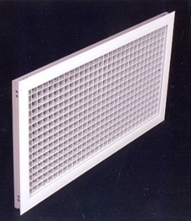
No. 10789 (Ventilation grilles)

No. 13349 (Electric fan with grille)
Another telling example is case No. 39/235, “LGZ Khortytsia” LLC. The company, which held Ukrainian patent No. 7821 for the industrial design “Branded Bottle,” sued to invalidate a later patent — Ukrainian patent No. 11458 for the design “Bottle” — and to stop its owner from using that design.
A forensic examination found that the essential features of the later-registered design matched those of the earlier “Khortytsia” design. The court fully upheld the claim: the later patent was invalidated, and its owner was barred from using the design. Both the appellate and cassation courts affirmed the decision.
This case illustrates another key advantage of timely registration: the owner of an earlier registered design can defend their rights not only against unauthorized use, but also by challenging a later registration that infringes on those rights.
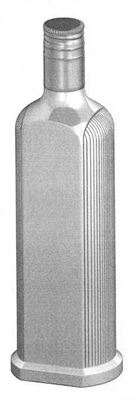
No. 7821 (Branded bottle)
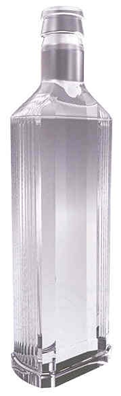
No. 11458 (Bottle)
An industrial design can be a genuinely valuable business asset — especially when a product’s appearance is recognizable and commercially significant. Timely registration legally secures your rights to the design and unlocks far more options for using and defending it. Here are the main advantages:
1. Protection against copying
If a competitor starts selling a product with a similar design, registration gives the owner legal grounds to demand that the infringement stop and to pursue remedies under the law, including seeking compensation through the courts.
2. Exclusive right to use the design
The owner of the industrial design has the exclusive property right to use it and to authorize or prohibit its use by others.
3. Lower risk of a competitor registering a similar design
Sometimes a company sells a product for years without ever registering its design. A competitor could file an application first, or otherwise take advantage of the absence of legal protection. Timely registration significantly reduces this risk.
4. Increased business value
Rights to an industrial design are an intangible asset. They can be:
- licensed;
- sold (assigned);
- used in business valuation or when raising investment.
5. Added protection for brand reputation
When cheap knockoffs with a similar design appear on the market, consumers may mistake them for products from the original manufacturer. Registration helps combat this kind of copying.
WHY THE QUALITY OF REGISTRATION MATTERS
A striking example from the footwear industry is the recent Crocs design dispute, Crocs, Inc. v EUIPO – Gor Factory, SA (Case T-228/25).
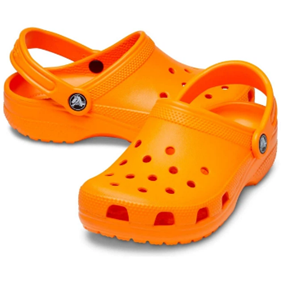
Crocs
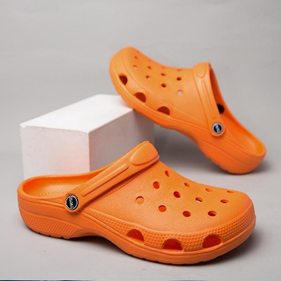
Holey Soles
In April 2026, the General Court of the EU upheld an EUIPO decision invalidating one of Crocs’ registered designs.
The court agreed that the design lacked individual character because a very similar Holey Soles design already existed before the Crocs application was filed — one that created essentially the same overall impression on an informed user.
Even if a product has become iconic and sold millions of units, its design is not automatically eligible for protection. Even where a design is registered, however, registration alone does not guarantee effective protection. The design must meet the applicable protection criteria.
A strong registration starts before you even file the application. It’s essential to check the design’s novelty and individual character in advance — analyzing previously disclosed similar designs, correctly defining the scope of protection, and preparing accurate product images. Having an IP specialist conduct this analysis helps identify potential risks before filing and ensures the application is built to give you effective, enforceable protection down the line.
Author: Kateryna Liushyn
With 20 years of experience in intellectual property, Synergy IP can help you protect your design and turn it into a valuable business asset.